
Dentures – Mississauga, ON
No More Missing Teeth!

Millions of people have suffered significant tooth loss. If that is true of you, we invite you to visit our Meadowvale dental practice to learn more about our tooth replacement options. We might recommend that you receive dentures, which can provide you with a more confident, more functional smile. Read this page to learn more about dentures, and then get in touch with us when you are ready to book a consultation with our expert team.
Why Choose Meadowvale Family Dentistry for Dentures?
- Beautiful, Highly Functional Prosthetics
- Traditional and Implant Dentures Available
- Caring & Empathetic Team
Who Is a Good Candidate for Dentures?

Extensive tooth loss can have significant consequences for both your health and daily life. For example, you might find it difficult to chew your favorite foods, and you may feel self-conscious about your appearance. Dentures can help with such issues. As long as your gums and jawbone are healthy enough to support them, there is a good chance that this treatment could have big benefits for you! Of course, during your consultation we will perform a thorough evaluation to determine for sure which form of tooth replacement would best suit you.
Types of Dentures
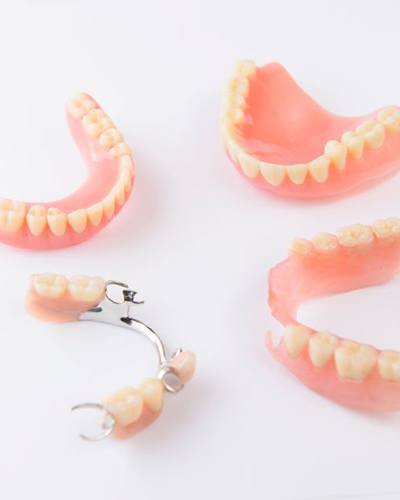
We offer a few different types of dentures. During your consultation, we will examine your mouth and learn about your personal preferences and goals. Thereafter, we will be able to recommend your next steps. We might advise you to get partial dentures, full dentures, or implant dentures.
Partial Dentures
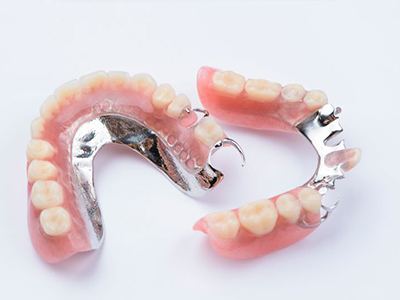
If some of your natural teeth are still healthy, you may be a great candidate for partial dentures. These prosthetics fit in around the other teeth. Small acrylic or metal attachments help them to stay in place during eating and speaking. Partials can serve as a placeholder for your natural teeth and improve your dental function.
Full Dentures
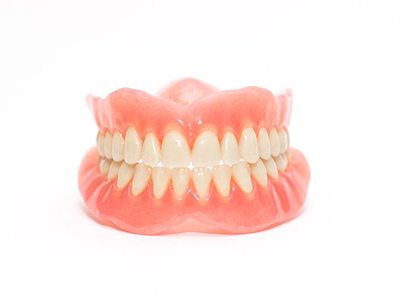
A full denture can replace either all of the upper or lower teeth. They typically consist of an acrylic base and acrylic or porcelain teeth. We carefully design them so they fit both snugly and comfortably. Natural suction or a bit of adhesive helps them to stay secure in the mouth during daily activities.
Implant Dentures
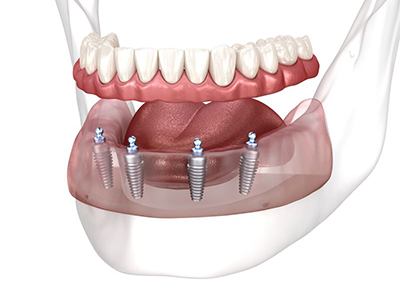
Instead of resting on top of the gums, implant dentures are anchored in the jawbone via small prosthetic tooth roots (dental implants). The implants bond with the jawbone, so they allow the teeth on top of them to have incredible strength and stability. We often recommend implant dentures as the gold standard of tooth replacement.
The Benefits of Dentures

Dentures today aren’t like the ones that you remember your grandparents wearing. They are customized to fit your unique smile perfectly, leaving you with a complete grin that suits you. Thanks to their personalized creation process, patients can experience a wide range of benefits. Here are just some of the most notable ones.
Psychological Benefits

Tooth loss can be a difficult reality to accept. Many people who have lost most of or all of their teeth experience negative effects on their self-esteem, resulting in a higher level of sadness and depression. By restoring your smile with dentures, you can improve how you feel about your appearance. This will reduce anxieties about your appearance, speech, chewing ability, and more.
Clearer Enunciation

Producing certain sounds and saying some words can be challenging when you have gaps in your smile. To enunciate properly, your lips and tongue need to be positioned properly. When you are missing teeth, your tongue isn’t in the ideal position, making it difficult to say certain words. Because dentures act as the missing teeth, they allow you to speak more clearly
Improves Nutrition

Many nutrient-dense foods are tough in texture, like protein, fruits, and veggies. If you aren’t able to chew your food properly, your eating habits may be negatively affected. Dentures make things easier to bite and chew, allowing you to enjoy a nutritious diet again, promoting your overall health.
Preserves Oral Health

If you still have healthy natural teeth, dentures can help to keep them in ideal condition. By filling in these gaps with a partial denture, you can keep your teeth securely in place Dentures also help to support the weight of routine chewing, reducing wear and tear of the natural teeth over time.
Expands Opportunities

When you attend interviews, negotiate sales, and attend social events, making an excellent first impression is key. Your smile is one of the first things that people notice about you, so having one that appears healthy does nothing but help. Studies have shown that the probability of being employed is negatively associated with poor oral health.
Dentures FAQs
Can Dentures Become Ill-Fitting?
Yes, even if your dentures in Mississauga fit perfectly when you first get them, it’s possible for them to eventually become ill-fitting. This is a consequence of changes in your mouth. Without stimulation from your natural teeth, your jawbone will deteriorate over time, which can have an impact on the shape of your gums. If the gums change too much, your dentures will no longer fit as well as they used to.
An ill-fitting denture is not a problem you want to ignore for too long. Trying to wear it could lead to sore gums, trouble speaking, and other issues. As soon as you realize that your dentures no longer fit properly, you should schedule an appointment with our team. In many cases, we can have your dentures relined to accommodate the current shape of your gums; however, in some situations, it may be better to have them replaced entirely.
Can I Sleep with My Dentures?
You may be told to wear your dentures for a full 24 hours when you first get them; this naturally includes when you go to bed. However, once the initial 24 hours are up, it’s best to get in the habit of always removing your dentures before you go to sleep.
If you don’t take your prosthesis out at night, harmful bacteria could thrive in the space underneath it, putting you at a higher risk for pneumonia as well as oral infections. Furthermore, dentures put constant pressure on the gums, which can restrict circulation; as such, if you don’t take your dentures out once in a while, you’re likely to experience significant gum irritation.
What Can’t You Eat with Dentures?
If you wear dentures, it’s generally best to avoid eating anything that’s particularly sticky, such as caramel or peanut butter. These types of foods can easily pull your prosthesis out of place, which can make it difficult for you to chew properly.
Additionally, you should stay away from hard foods that could potentially damage dentures. Common examples include nuts, apples, uncooked carrots, and corn on the cob.
Finally, you should exercise caution around tough meats that require a lot of chewing, such as steak. You can still enjoy these types of foods, but you should cut them into bite-sized pieces that are easier to handle first.
Can I Use Regular Toothpaste to Clean My Dentures?
No, using toothpaste to clean dentures is not recommended. Toothpaste contains ingredients that make it somewhat abrasive; as such, it could end up damaging your dentures if you’re not careful. It’s better to clean your prosthesis with hand soap or a mild dishwashing liquid. You can still use a toothbrush for the cleaning process, but you should make sure that it has soft bristles that won’t be too harsh on your replacement teeth.